
Stop recurring back pain at the root, not just the symptoms
I help high-functioning people end chronic back pain by fixing the physical imbalances behind it and resolving the stress patterns that keep it coming back.
Break the cycle. Resolve the patterns. End the pain.
- No more unpredictable flare-ups
- Get back to movement, travel, sport, and training
- A body that holds up under pressure
No pitch. No pressure. Just a real conversation.
If your back “goes out” every few months, you already know the cycles.
It tightens. You stretch it out. Maybe get treatment like PT, chiropractic, massage, and osteopathy.
Maybe you see someone. It improves. Then it comes right back.
At some point, you start wondering:
“Is this just how my body is now?”
And each time, it feels a little more permanent.
The real issue isn’t your back. It’s the pattern.

Your nervous system gets shaped over time through stress, repetition, and early experience. It holds the physical patterning that emotions left behind.
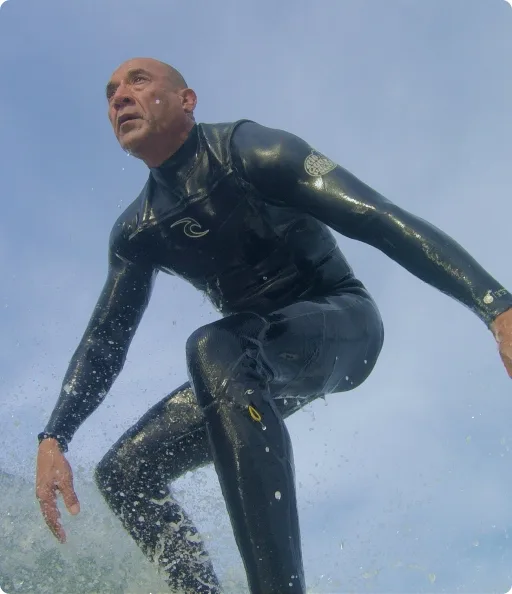
Most of the people I work with are high performers—executives, lawyers, engineers, founders, meditators, and active adults who love golf or surfing. They’ve overridden their body’s signals for so long, they don’t notice them until something breaks.
"Protecting the Back" to "Moving with Confidence."
As you’re typically 40s–60s, with recurring back pain, you know something needs to be changed.
That’s what we change.
We don’t chase symptoms. We work with the nervous system, movement, and deeper tension.
Your body has been holding on for years. So the pain doesn’t need to come back.
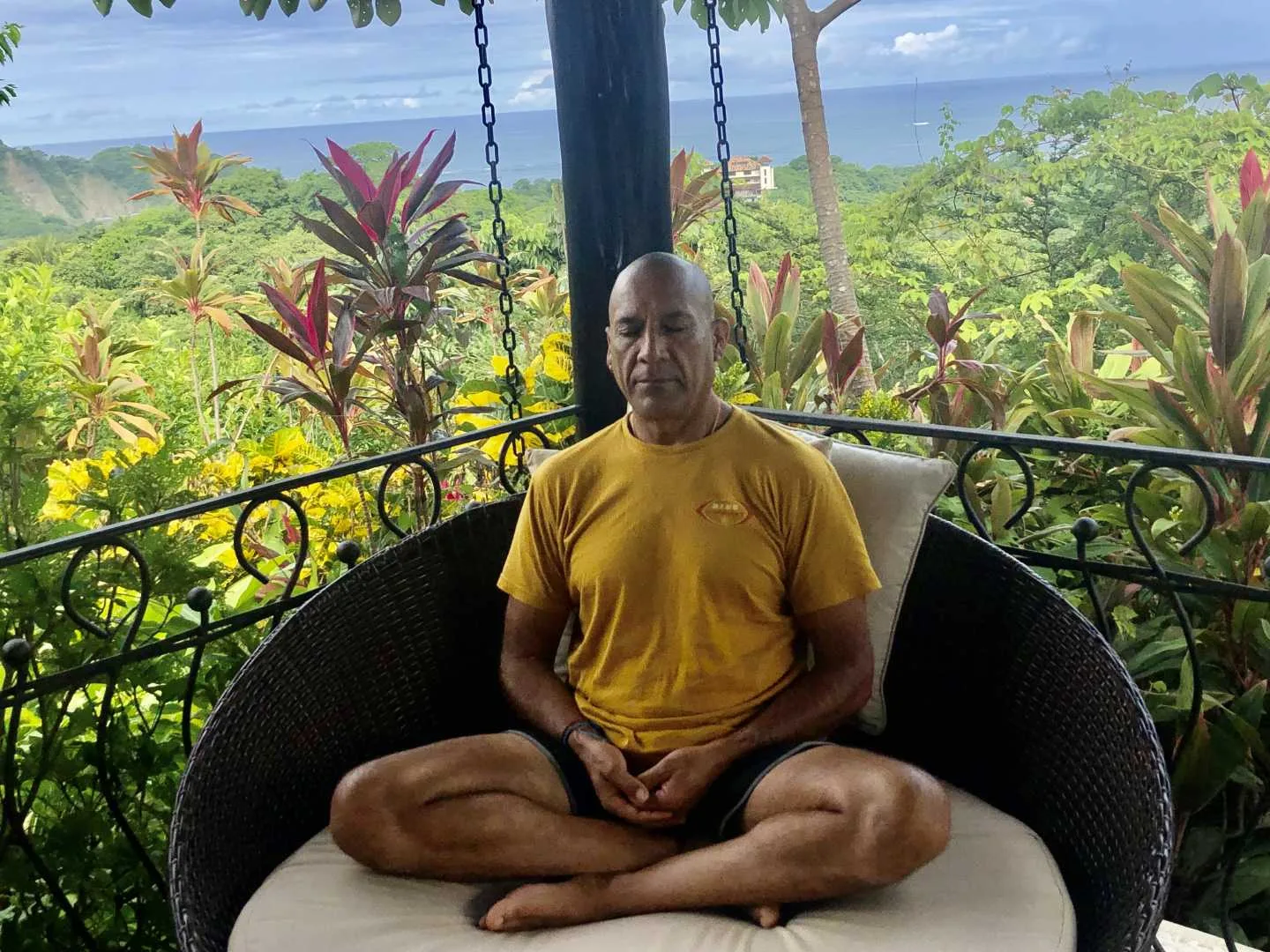
From Carrying Stress and Pain for Years to Breaking the Cycle
I didn’t come to this work from theory; I lived it.
I grew up in a high-stress environment where movement became how I coped and stayed grounded. Years later, after seeing people break lifelong patterns at Landmark Forum, I knew this was the work I wanted to do.
But it took years of my own process through back pain and deeper somatic work to understand what actually creates lasting change.
What changed everything:
I stopped chasing symptoms and started working with the patterns underneath them. Now I help help-driven, high-functioning people do the same—so they can move and perform without their bodies holding them back.
A four-phase approach to ending the cycle permanently
My practice draws a clear logic from the Franklin Method, somatic tracking, breath, deep core, and identity work.
Awareness
Notice where tension lives and where your body is bracing. Most people have stopped hearing these signals. This is where that changes.
Regulation
Shift your body out of constant guarding. When your system feels safe, real change can happen.
Repatterning
Rebuild how your body supports and moves under pressure. Your core reconnects. Your back stops taking the load.
Story Work
Change the deeper patterns driving it. So your body doesn’t return to the same state.
Learn more about the specific combination of somatic work, nervous system regulation, and back pain resolution.
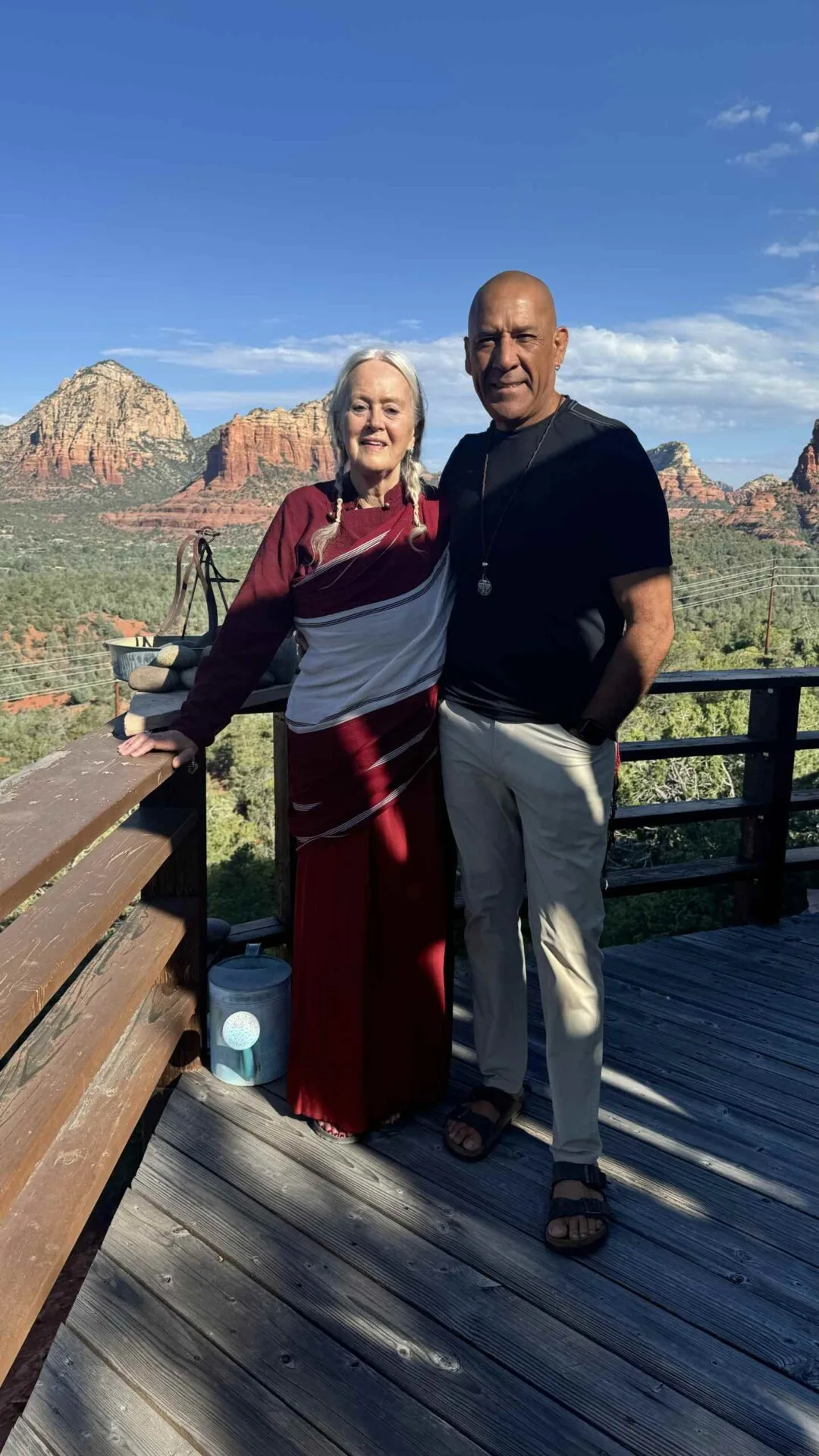
How we work together
Each session is 1:1 on Zoom.
We slow things down and look at what’s actually happening in your body—where tension lives, where you’re bracing, where support drops out. Most chronic back pain follows a clear loop:
Stress

Tension
Reduced Support
Pain
Using breath, movement awareness, and somatic tracking, Your body starts to shift how it responds to stress and load.
No forcing. No pushing through.
You learn how to read your body and respond to it. So the pattern doesn’t come back.
1:1 Coaching - ONLINE VIA ZOOM
Where your body stops feeling like the problem and becomes your guide
A coach and practitioner working 1:1 with high-functioning adults (40s–60s) to end recurring back pain through a personalized process.
- Four 60-minute 1:1 Zoom sessions per month
- 3-month initial container to create lasting change
- Month-to-month after the initial 3-month container
- No homework, no protocols
This work is specific and it’s not for everyone
This is for you if:
- You’re a senior leader or executive under constant pressure.
- You’ve had recurring back pain for years, with no lasting solution.
- You’ve tried conventional approaches, and the pain keeps returning.
- You know something deeper is behind it, even if you can’t fully explain it
- You’re willing to slow down and work with your body, not override it
This is not for you if:
- You’re looking for a quick fix or passive treatment.
- You want protocols, exercises, or something to “push through."
- You’re not ready to be present with what your body is actually doing
- You want someone to do the work for you, not work alongside you
- You're not open to the connection between stress, tension, and pain
What People Are Saying About Their Permanent Relief
I’ve helped high-functioning people, lawyers, executives, engineers, therapists, meditators, and other driven adults reconnect with their bodies and end the cycle of recurring pain.
I came to Michael struggling with sciatica and chronic lower-back pain. He introduced me to simple tools to release tension and ease nerve pain. Michael is a natural teacher: soft-spoken, patient, and deeply knowledgeable. His blend of expertise, keen observation, and intuition helped me understand my body and heal.

Augusta Talbot
Artist

Michael helped me to understand the root cause of my back issues and how to connect with my body to strengthen my core. My back pain is no longer a daily issue and I no longer need to manage symptoms of pain. I am stronger and can now move with confidence.

Tom Ward
Owner of Reveal Inspection Services
Before practicing the Morales Method, my back would often ‘go out,’ leaving me immobilized and in pain. After just a few weeks working with Michael, that stopped completely. My core grew stronger, and I no longer thought of myself as someone with a ‘bad back.’

Tsultrim Allione
Founder of Tara Mandala
Michael worked with me when I had a torn rotator cuff, not only helping me rehabilitate the bad shoulder but also putting a program in place to keep my other shoulder healthy and full strength.
Kurt Sonderegger
Founder Cafe Racer Vape Co
Ready to break the Cycle for good?
If you’ve made it this far, you already understand something most people miss. Chronic back pain isn’t just a physical issue. It’s a pattern your body has learned over time.
– Let’s work together to change how your body responds to stress, load, and life itself.
Get the latest news, articles, and practical insights on the secret to living pain-free and online offerings delivered to your inbox once a month.
Questions People Usually Ask Michael
Most people who come here have already tried a lot and still have questions. These are the ones that usually matter before taking the next step
Need More Help?
We are here to answer your Questions. We normally answer in 24 hours time
What if I don’t have time?
The work we do is designed to fit into real life, not take it over. Most practices are short and intentional, and many can be woven into what you’re already doing like sitting at your desk, walking, or getting ready for bed.
Will this work for someone like me (my age, history, or situation)?
Yes. This work is personalized and adapts to your body, history, and nervous system capacity. We’re not following a script; we’re working with what’s true for you right now.
What if I invest and don’t see results?
We track progress in multiple ways: changes in pain, how safe your body feels, your confidence in movement, and how you meet stress. If something isn’t shifting, we adjust together. This is a guided process, not a rigid protocol.
How is this different? I’ve tried PT, workouts, and other approaches.
Most approaches focus on isolated parts or push you to move more. We focus on support and safety first—reconnecting breath, inner core, and nervous system—so your body can actually respond and keep the changes.
Do I need to be fit, flexible, or “good at exercise” to start?
Not at all. Many clients begin while in pain, deconditioned, or unsure how to move. That’s exactly who this work is designed for.
What if movement has made my pain worse in the past?
That’s a common concern. We move slowly, intentionally, and only when your body shows readiness. The goal is to rebuild trust, not push through pain or fear.
Is this just breathing and mindfulness?
Breath and awareness are the foundation, not the finish line. They restore inner support so we can reintroduce movement and strength safely and effectively.
How long does it take to see change?
Many people notice shifts in tension, pain, or confidence early on. Deeper, lasting change happens progressively as your body relearns support and stability at its own pace.